Skip to content
Have you ever caught yourself in the mirror and noticed your makeup clinging to tiny patches, or your skin looking just a bit dull and uneven, no matter how much you moisturize?
That feeling usually comes from one thing: a buildup of dead skin on the face.
Dead skin is entirely normal. Your skin naturally renews itself every 28 to 40 days.
But sometimes that process slows down or becomes uneven. Instead of shedding quietly, the dead cells sit on the surface, creating a rough texture, clogged pores, and that stubborn dullness that every serum in the world struggles to fix.
The good news is that once you understand how to safely and effectively remove dead skin from your face, your skin texture, radiance, and product absorption improve dramatically.
This blog breaks down the science behind dead skin, how exfoliation works, the safest methods for your skin type, what to avoid, and the professional exfoliation treatments available at Clearstone Laser Hair Removal & Med Spa.
Understanding How & Why Dead Skin Builds Up on Your Face
Your skin goes through a natural turnover cycle. New cells form in the lower layers and gradually move up to the surface, replacing older cells. Ideally, this process is smooth and invisible.
But factors like aging, stress, dry weather, pollution, harsh products, and poor hydration slow this process down. When dead skin piles up, you get:
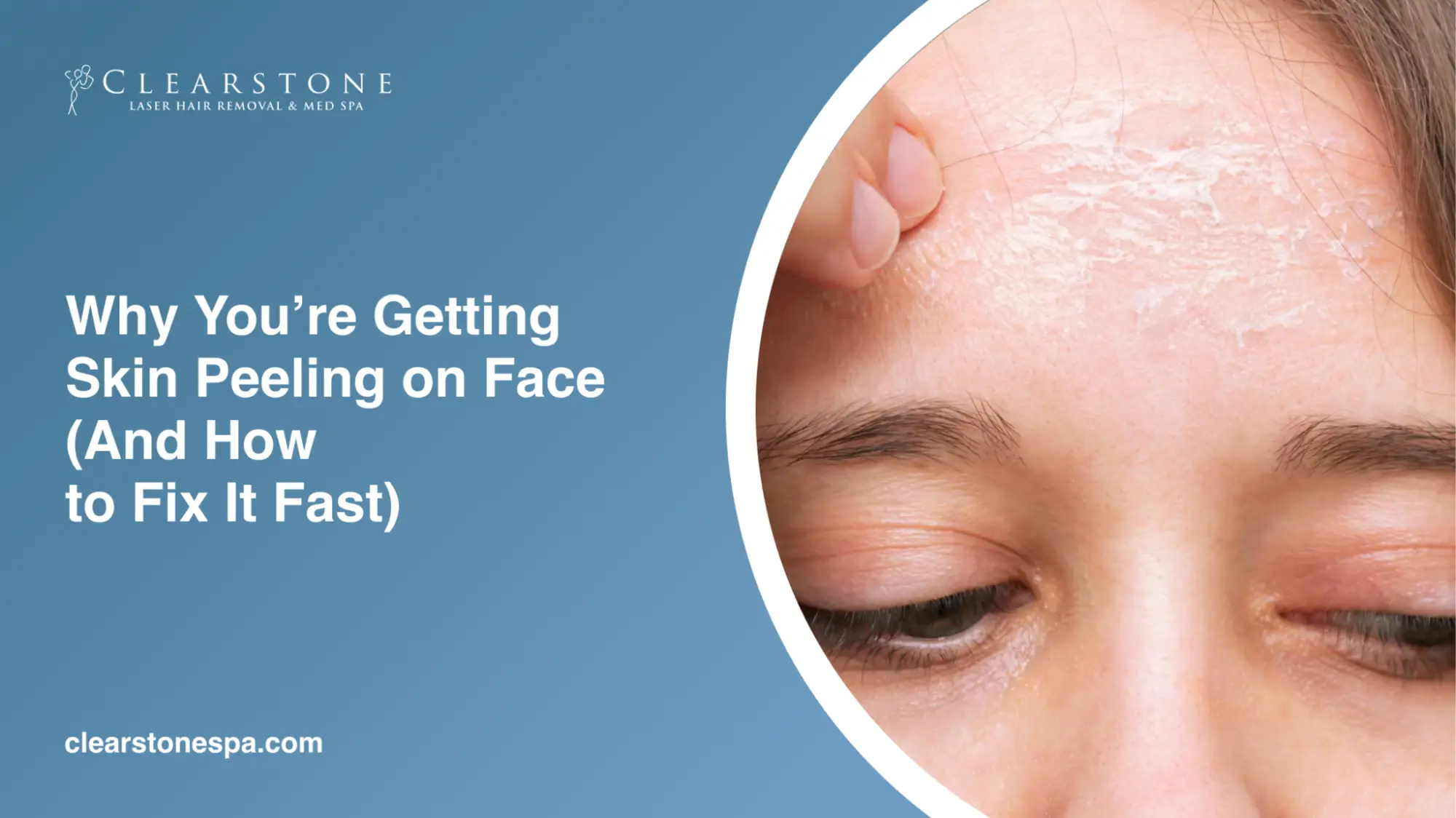
- Flaky patches
- Rough texture
- Dull or uneven appearance
- Makeup that refuses to blend
- Congested pores
- More breakouts
Dead skin buildup is not always about dryness. Even oily or combination skin can develop a thickened layer of dead cells that needs to be removed appropriately.
Know Your Skin Type Before You Exfoliate
Choosing the proper method to remove dead skin from your face starts with understanding your skin type. Different skin types need different exfoliation strengths.
- Dry Skin: Feels tight, rough, and flaky. Needs gentle, hydrating exfoliation.
- Combination Skin: Shiny T-zone, but cheeks can feel dry. Needs balanced exfoliation without over-stripping.
- Oily Skin: Produces excess sebum that traps dead skin, causing congestion. Needs deeper exfoliation.
- Sensitive Skin: Easily irritated, reactive to fragrances or acids. Needs mild, enzyme-based methods.
- Normal Skin: Rare and balanced. Can tolerate most gentle exfoliation methods.
Clearstone Tip: If you are not sure what your skin type is or why it is reacting a certain way, Clearstone specialists can assess your barrier, sensitivity, and hydration levels to recommend the safest exfoliation plan for you.
How to Remove Dead Skin from Face: Two Main Methods
There are two main exfoliation categories, chemical and mechanical. Each works differently, and knowing which one suits your skin type is the key to achieving a smoother texture without damaging your barrier.
Chemical Exfoliation
Despite the name, chemical exfoliation is one of the gentlest, most predictable ways to renew your skin. Instead of scrubbing the surface, these solutions dissolve the bonds holding dead skin cells together, allowing them to shed evenly.
This controlled process minimizes irritation and promotes healthier skin function, which is why Clearstone relies on professional chemical exfoliation across several of our treatments.
Chemical exfoliants fall into three main categories:
1. Alpha Hydroxy Acids (AHAs)
Best for: dry, normal, and combination skin
How they work: AHAs are water-soluble and act on the surface layers of the skin. They soften rough texture, lighten dullness, and reveal a fresher, smoother complexion.
Common AHAs include:
- Glycolic acid – powerful resurfacing for texture and fine lines
- Lactic acid – gentle and hydrating; ideal for dryness or sensitivity
- Citric acid – brightening and antioxidant-rich
- Mandelic acid – excellent for sensitive or acne-prone skin
Benefits: AHAs boost radiance, refine uneven patches, and improve absorption of serums and moisturizers.
2. Beta Hydroxy Acids (BHAs)
Best for: oily, acne-prone, and congested skin
How they work: BHAs are oil-soluble, meaning they go deep inside the pores to dissolve trapped sebum and dead skin, making them ideal for blackheads, breakouts, and inflammation.
The most common BHA is Salicylic acid, the gold standard for unclogging pores and calming acne
Benefits: Clearer pores, smoother texture, reduced breakouts, and improved oil control.
3. Enzyme Exfoliation
Best for: sensitive, reactive, or compromised skin
How they work: Enzymes from pumpkin, papaya, or pineapple gently digest dead skin proteins. Unlike acids, enzymes work slowly and softly, perfect when your barrier needs a break.
Benefits: Brightens and smooths without stinging, redness, or barrier disruption.
Chemical exfoliation provides precise, controlled renewal without scratching or aggravating the skin. This is why it’s a foundational step in many Clearstone services, from the resurfacing effects of the VI Peel to the texture-smoothing benefits of microdermabrasion and dermaplaning, to the enhanced collagen-boosting results of microneedling and IPL Photofacial. When combined thoughtfully, these treatments work with your skin’s natural biology to deliver healthier, clearer, more radiant skin over time.
Mechanical Exfoliation
Mechanical exfoliation uses tools or textured surfaces to slough off dead skin manually. This method is best for people with resilient, non-sensitive skin.
1. Dermaplaning (Clearstone Signature Treatment)
- Removes dead skin plus peach fuzz
- Leaves skin extremely smooth
- Helps makeup glide effortlessly
- Enhances product absorption
- Zero downtime
2. Microdermabrasion
- Uses a diamond-tip wand to buff away dead, flaky skin
- Evens out texture and dullness
- Stimulates renewal without harsh scrubs
3. Gentle At-Home Methods
- Soft washcloth
- Silicone cleansing pad
- Powder exfoliants
These are mild options for occasional use but should still be used cautiously.
Exfoliation Methods to Avoid (and Why They Do More Harm Than Good)
A lot of popular exfoliation methods do more harm than good, especially the common DIY ones. They may feel effective, but they often create micro-tears, spark inflammation, and disrupt your moisture barrier.
While they may feel satisfying in the moment, these harsh techniques create micro-tears, trigger inflammation, and weaken the moisture barrier your skin relies on for healing and hydration.
When the barrier is compromised, you may experience:
- Increased redness
- Stinging or burning
- Flaking
- Breakouts
- Worsened dryness
- Slower treatment progress
To protect your results and your skin health, avoid the following:
- Sugar scrubs & salt scrubs: Large, uneven crystals can scratch the skin’s surface and worsen sensitivity, pigmentation, and broken capillaries, especially on the face.
- Baking soda: Popular online, but highly damaging. Baking soda disrupts your skin’s natural pH balance, leading to irritation, dryness, and increased oil production.
- Walnut shell or apricot kernel scrubs: These rough, jagged particles create micro-tears in the skin and can cause long-term texture issues.
- Rough facial brushes & spin brushes: Over-exfoliate and weaken the barrier, especially for those with acne, rosacea, or dryness. Bristles can also trap bacteria.
- Gritty physical exfoliators: Anything “sand-like” is too abrasive for delicate facial skin and can worsen inflammation.
- At-home dermaplaning blades: Without proper technique and sanitation, these can cause cuts, uneven exfoliation, ingrown hairs, and infection. Professional dermaplaning at Clearstone is far safer and more controlled.
- DIY peel pads used too often: Daily or incorrect use of acid pads can cause over-exfoliation, disrupt your barrier, and lead to chronic redness and stinging.
Using aggressive or outdated exfoliation methods doesn’t just irritate your skin; it can undo the progress you’re making with professional treatments like the VI Peel, microneedling, IPL Photofacial, or dermaplaning.
Your skin needs precision, not pressure. Choosing safer, science-backed exfoliation protects your moisture barrier, reduces inflammation, and ensures every treatment at Clearstone delivers its full results.
Exfoliation Safety Tips You Should Follow
Removing dead skin should never hurt or sting. Healthy exfoliation leaves the skin smoother, not inflamed. Follow these fundamental rules:
- Always moisturize right after exfoliating
- Never exfoliate broken, sunburned, or irritated skin
- Introduce new acids slowly
- Stop exfoliating if you feel burning or sensitivity
- Use SPF 30 or higher daily, as freshly exfoliated skin is more sun-sensitive
- Avoid mixing retinoids and exfoliating acids
- Patch test products before using them on your face
Clearstone Professional Treatments for Removing Dead Skin
Suppose you want a smoother texture, brighter skin, or deeper, longer-lasting exfoliation. In that case, Clearstone offers advanced treatments performed by licensed experts who understand how to renew your skin without disrupting its barrier. Each treatment is developed to safely remove buildup while improving clarity, hydration, and radiance.
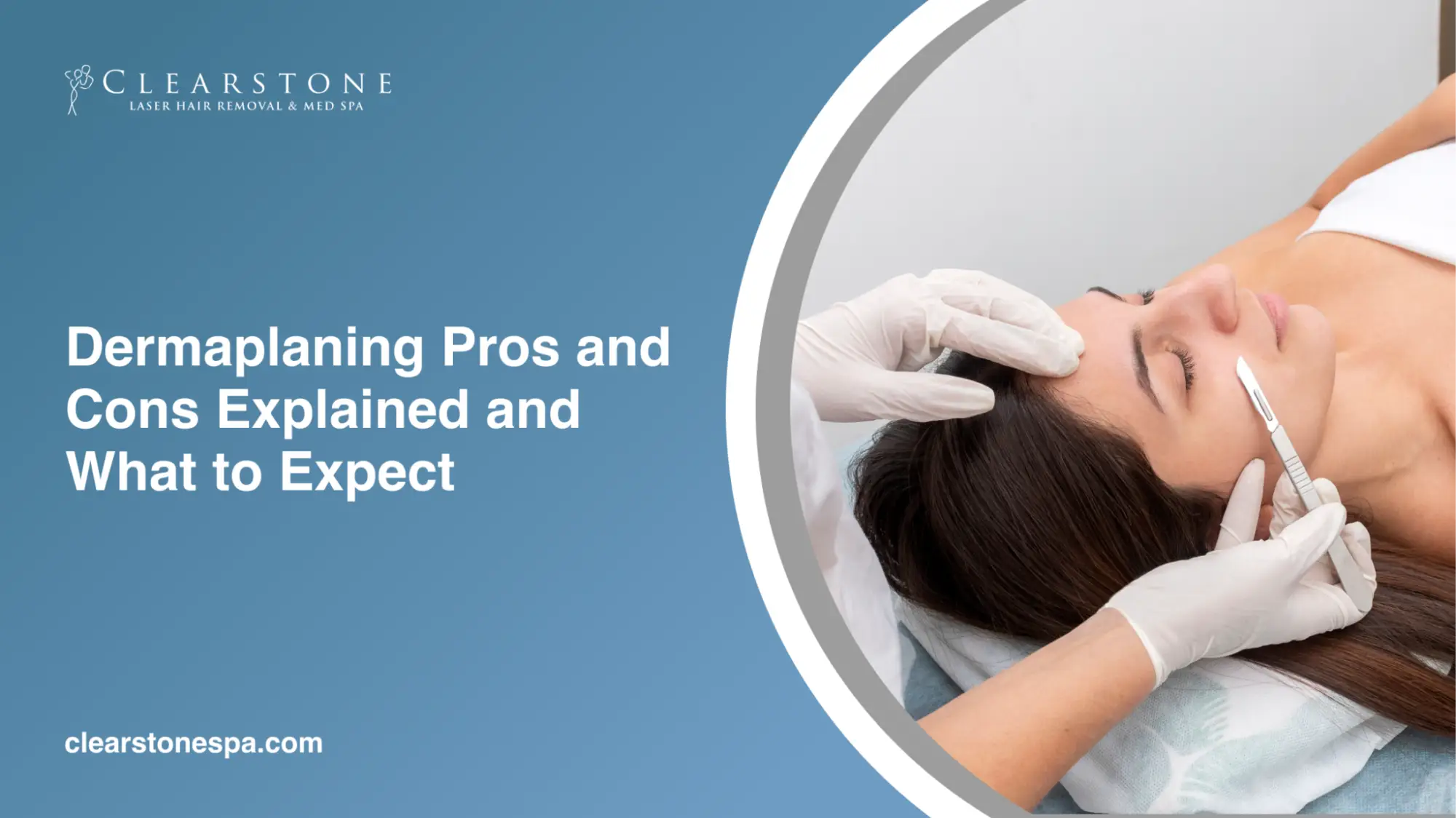
1. Dermaplaning
Dermaplaning uses a precise, surgical-grade blade to lift away dead skin and peach fuzz in a single, smooth pass. This treatment instantly reveals a fresh, polished layer of skin, allowing serums and moisturizers to penetrate more effectively.
Makeup applies flawlessly afterward, creating that silky, airbrushed finish people love. It is a favorite among clients prepping for photoshoots or events, or simply wanting an immediate glow.
2. Microdermabrasion
Microdermabrasion gently buffs away dull and uneven skin using a diamond-tip wand. It is an ideal choice for anyone struggling with rough patches, early signs of aging, mild scarring, or persistent dullness. By removing surface buildup and stimulating renewal, this treatment helps create a smoother texture and a clearer, brighter complexion over time.
3. VI Peel
The VI Peel is a medical-grade chemical peel formulated to resurface deeper layers of the skin. It reduces discoloration, softens fine lines, smooths texture, and boosts radiance without being overly harsh. Once your skin barrier is stable, this peel helps accelerate regeneration, making it a powerful option for stubborn dullness, pigmentation, and textural concerns.
4. IPL Photofacial
IPL Photofacial uses targeted light energy to treat sun damage, redness, broken capillaries, and uneven tone. While it is not an exfoliating treatment in the traditional sense, IPL enhances exfoliation by brightening the complexion, reducing discoloration, and stimulating healthier skin renewal. It pairs beautifully with treatments like dermaplaning and microdermabrasion.
5. Custom Clearstone Facials
Clearstone’s signature facials are fully customized to your skin type, sensitivity level, and long-term goals. Each facial combines controlled exfoliation with deep hydration, barrier support, and calming elements to ensure your skin stays balanced and nourished. Whether you need gentle enzyme exfoliation, pore purification, or glow-restoring hydration, your provider curates the perfect experience for your skin’s needs.
Together, these treatments lift away buildup, restore smoothness, and boost radiance while keeping your skin barrier healthy and protected. With the right professional plan, you get deeper exfoliation, faster results, and longer-lasting clarity compared to at-home methods.
At-Home Routine to Maintain Smooth, Glowing Skin
You do not need a complicated routine. Consistency beats intensity every time.
Clearstone’s Recommended Products:
- skinbetter science® Cleansing Gel
- Trio Rebalancing Moisture Treatment
- Alto Defense Serum
- Sunbetter Sheer SPF 70 Lotion
These formulas provide a strong, resilient moisture barrier, helping your skin stay smooth and healthy in the long term.
When to See a Professional Instead of Exfoliating at Home
You should book a consultation if:
- Your skin stays rough despite exfoliating
- Peeling or flaking gets worse
- You have unexplained redness or sensitivity
- You experience burning with mild exfoliants
- You suspect eczema, dermatitis, or fungal issues
A Clearstone specialist will evaluate your barrier health, hydration levels, oil production, and current routine to create a safe exfoliation plan.
Experience Skin That Feels Fresh & Smooth at Clearstone Laser Hair Removal & Med Spa
Getting rid of dead skin on your face is one of the simplest ways to improve your texture, tone, and overall radiance instantly. But the real magic happens when exfoliation is done correctly. The goal is not to scrub harder but to exfoliate smarter.
At Clearstone Laser Hair Removal & Med Spa, our licensed skincare experts blend advanced technology, medical-grade ingredients, and personalized care to help you safely remove dead skin, restore your glow, and build a healthier barrier. Whether you need dermaplaning, Microdermabrasion, a gentle peel, or simply guidance on the proper at-home routine, we create a plan tailored to your skin’s unique needs.
If you are ready to experience smoother texture, brighter tone, and consistently healthy skin, we are here to help.
Schedule your consultation today!