Skip to content
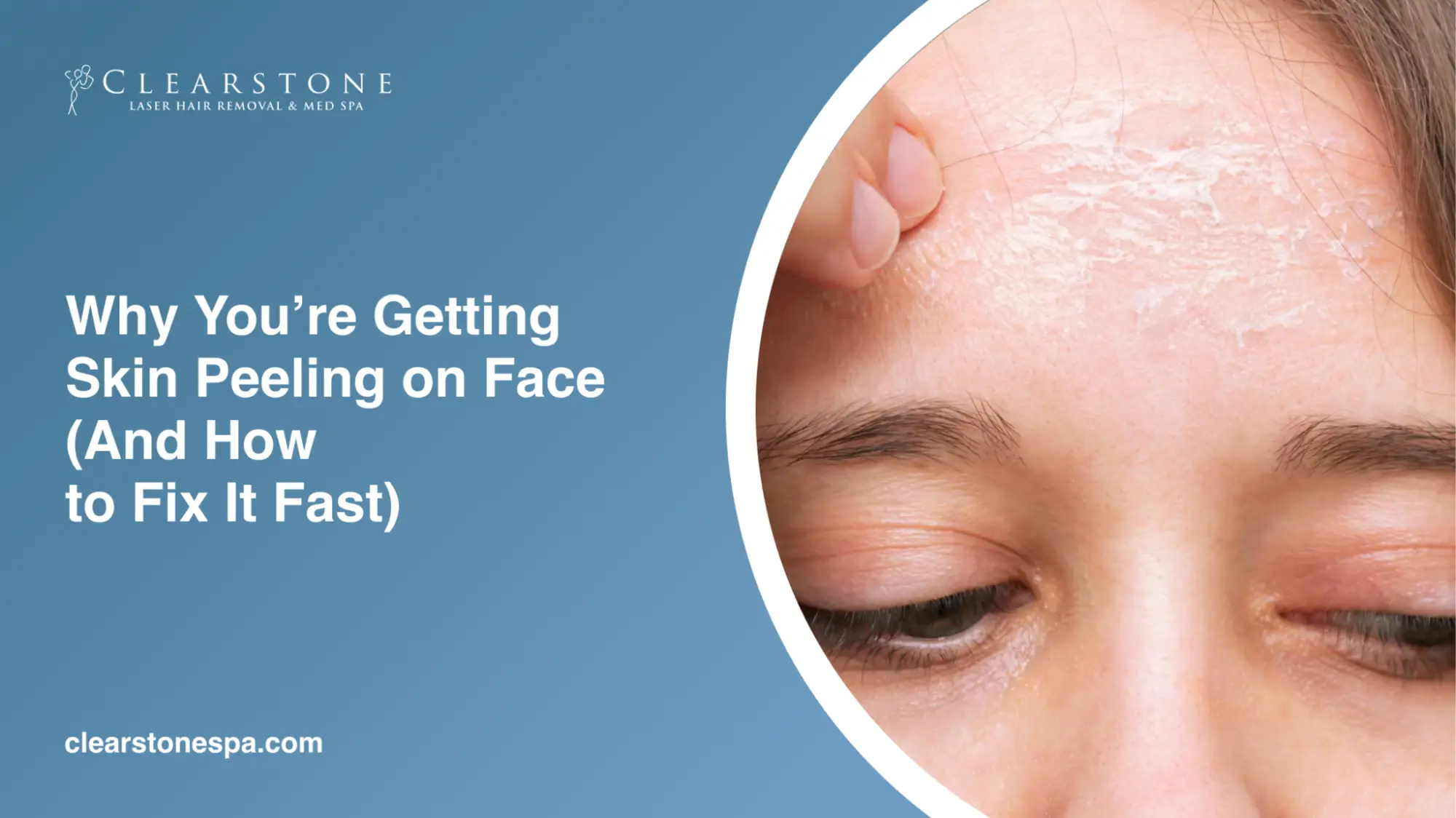
You know those moments when you look in the mirror and notice tiny flakes around your nose, cheeks, or chin that definitely were not there yesterday? Skin peeling on the face is surprisingly common, but that doesn’t make it any less frustrating. It can feel uncomfortable, look patchy under makeup, and sometimes even sting or itch.
Most people assume that peeling means dryness, but the truth is that it can be caused by a variety of factors, including environmental stress, irritation from products, and underlying skin conditions.
This blog breaks down everything you need to know about why skin peeling on the face happens, how to stop it quickly, home remedies that actually help, dermatology-level treatments, how to prevent it, and where Clearstone Laser Hair Removal & Med Spa fits into your long-term skin health journey.
Understanding Skin Peeling on the Face
If you’ve noticed your skin starting to flake or shed, you’re not alone. This is a common concern. Understanding why it happens can make it easier to manage and treat the condition.
What Is Skin Peeling?
Skin peeling is the shedding of damaged or irritated outer skin layers. Your skin naturally renews itself roughly every 28 to 40 days, but when the process becomes disrupted, peeling becomes visible and uncomfortable.
Normal vs Abnormal Peeling
- Normal: Invisible shedding with smooth renewal.
- Abnormal: Visible flakes, irritation, redness, tightness, cracking, or rough patches.
Common Causes of Skin Peeling on the Face
Skin peeling on the face can occur for various reasons, ranging from simple environmental stress to underlying medical conditions. Identifying your trigger is the key to stopping recurring irritation and treating the peeling effectively.
- Environmental Causes: Environmental factors are some of the most common reasons for sudden or seasonal skin peeling on the face. These conditions weaken the moisture barrier, leading to dryness, flaking, and irritation.
- Sunburn: UV radiation damages the deeper layers of skin, killing skin cells and disrupting the protective barrier. A few days later, the skin sheds those damaged cells, which leads to tightness, redness, and peeling.
- Cold, Dry Weather: Low humidity in winter pulls moisture from the skin faster than it can be replenished. This leads to dehydration, flakiness, and a rough texture, especially on the cheeks and nose.
- Windburn: Exposure to wind strips away natural oils, increases inflammation, and causes a burning sensation that is often followed by peeling. It combines friction with cold irritation.
- Overwashing: Cleansing more than twice a day, especially with foaming or harsh cleansers, removes essential lipids. Without these oils, the skin barrier weakens and peeling becomes more likely.
Now, many times, your skin can break, as a result of a reaction with something you’ve applied or tried for the first time.
Irritation or Allergic Reactions
If your skin starts peeling on your face after trying a new product, irritation or sensitivity may be the cause.
- New Skincare or Cosmetics: Ingredients like fragrance, alcohol, dyes, essential oils, parabens, and strong preservatives can irritate the skin. Even natural products can trigger reactions in sensitive skin.
- Too Many Actives: Retinol, benzoyl peroxide, AHAs, BHAs, and exfoliating toners are effective, but overusing them leads to barrier damage, burning, redness, and peeling.
Common mistakes Clearstone providers see include:
- Using multiple exfoliants at once
- Mixing retinol with strong acids
- Starting high-strength actives without proper guidance
- Allergic Reactions: A true allergy (contact dermatitis) may cause burning, swelling, itching, hives, or intense redness. Once inflammation subsides, the upper layers of the skin often peel or shed.
Skin Conditions
Chronic or recurring skin peeling on the face may be a sign of an underlying skin condition.
- Eczema (Atopic Dermatitis): Eczema causes dry, itchy, inflamed patches that crack and peel easily. Flare-ups are common in winter or after exposure to irritants.
- Psoriasis: Psoriasis creates thick, scaly plaques with silvery flakes. It often appears around the eyebrows, hairline, or beard area.
- Seborrheic Dermatitis: This condition causes red, flaky patches around the nose, eyebrows, forehead, and chin. It is linked to an oil imbalance and yeast on the skin.
- Rosacea: Rosacea results in inflamed, sensitive skin that may peel after a flare-up. Common triggers include heat, alcohol, and spicy foods.
Medical or Internal Causes
Sometimes, the root cause of facial skin peeling is internal and requires medical attention.
- Hypothyroidism: Low thyroid hormone levels slow skin cell turnover, causing extreme dryness, dullness, and persistent peeling, even with good skincare habits.
- Vitamin Deficiencies
- Vitamin A deficiency can lead to roughness and peeling
- Niacin (Vitamin B3) deficiency can cause dermatitis and skin shedding
- Essential fatty acid deficiency weakens the skin barrier
These deficiencies often cause peeling that does not improve with moisturizers alone.
- Infections (Bacterial or Fungal): Certain infections, including staph or fungal overgrowth, can create stubborn peeling along with redness, itching, or oozing.
Medication Side Effects
Common medications that may cause peeling include:
- Acne treatments such as retinoids and benzoyl peroxide
- Blood pressure medications
- Cancer therapy
- Topical steroids, when overused
Fast Treatments for Skin Peeling on the Face
You can calm peeling faster if you treat it correctly at the first sign of it. If you are experiencing skin peeling on your face, start with these immediate steps.
Immediate Steps to Stop Peeling
- Stop picking or peeling the skin.
- Avoid using makeup on peeling areas.
- Pause active ingredients like retinoids, AHAs, BHAs, and scrubs.
- Switch to a gentle, barrier-focused routine.
- Apply a nourishing moisturizer twice a day.
4 Home Remedies That Work Quickly
While persistent peeling may require professional care, several at-home measures can help restore moisture and reduce irritation. Start with these effective options.
1. Switch to Gentle Cleansers
Harsh, foaming, or heavily fragranced cleansers strip away your skin’s natural lipids, the oils responsible for maintaining your moisture barrier. When that barrier is compromised, peeling gets worse because the skin can’t hold onto hydration.
Why it works:
- Creamy, fragrance-free cleansers use nourishing emollients instead of detergents, preventing further irritation.
- Sulfate-free formulas avoid harsh surfactants like SLS/SLES, which are notorious for worsening dryness and peeling.
- pH-balanced cleansers maintain the skin’s natural acidity, supporting healing and reducing inflammation.
Clearstone recommendation: skinbetter science® Cleansing Gel, created for sensitive or compromised skin, removes impurities without disrupting the moisture barrier, making it ideal for peeling or inflamed facial skin.
2. Lock In Moisture With the Right Products
Peeling skin needs targeted hydration, not just any moisturizer. The right ingredients restore the skin barrier, attract water, and stop moisture from evaporating.
Why these ingredients work:
- Ceramides: These are essential lipids that fill in the “gaps” in a damaged barrier, helping flaky skin lie flat and heal faster.
- Hyaluronic Acid: A potent humectant that pulls water into the outer layer of skin, immediately reducing tightness and dryness.
- Squalane: A lightweight emollient that mimics your natural skin oils, soothing irritation without clogging pores.
- Niacinamide: Reduces inflammation, strengthens the skin barrier, and improves moisture retention.
Quick resolution for severe dryness: A thin layer of petrolatum (Vaseline) seals in hydration by preventing up to 99% of water loss, making it one of the fastest ways to stop peeling and flaking.
Clearstone’s favorite: Trio Rebalancing Moisture Treatment, formulated for deep hydration and barrier repair, helps replenish lipids, calm irritation, and accelerate recovery for peeling skin.
3. Try Cool Compresses or Aloe Vera
Inflamed or peeling skin often feels hot, tight, or itchy. Immediate cooling reduces inflammation and slows down the peeling cycle.
Why you should try it:
- Cool compresses constrict blood vessels, reducing redness and irritation on contact.
- Aloe vera contains compounds like aloin and acemannan, which are naturally anti-inflammatory and hydrating, helping to soothe irritated skin without clogging pores.
- Aloe also promotes wound healing, making it especially useful for skin that’s peeling after sunburn or irritation.
4. Gentle Exfoliation (Only When Safe)
Exfoliation helps remove dead, loose skin, but doing it too early can worsen inflammation and lead to microtears.
Why it works:
When done correctly (after irritation calms):
- Soft washcloth exfoliation gently lifts loose skin without irritating the healthy skin underneath.
- Mild enzyme exfoliants (like papaya or pumpkin enzymes) dissolve dead skin cells instead of scrubbing them off, reducing the risk of irritation.
Avoid:
- Scrubs with beads or grit
- Harsh AHAs/BHAs
- Peeling gels
- Anything that stings or burns
These can further damage the skin barrier and significantly slow down healing.
Dermatologist-Recommended Treatments
Over-the-Counter or Prescription Solutions
- One percent hydrocortisone (short-term only)
- Colloidal oatmeal creams
- Barrier repair creams
- Urea-based creams for rough patches
In-Office Treatments at Clearstone
Once your skin barrier is stable, Clearstone specialists may recommend gentle, restorative professional treatments ideal for individuals experiencing facial skin peeling.
Clearstone’s expert-recommended options include:
- Dermaplaning: Removes surface buildup and peach fuzz to create smoother, healthier skin without harsh exfoliants.
- Microdermabrasion: Uses a diamond-tip wand to buff away dull, flaky skin and promote fresh, even texture.
- IPL Photofacial: Reduces redness, discoloration, and inflammation while supporting overall skin clarity.
- Microneedling: Stimulates collagen production and strengthens the skin barrier once peeling and irritation have resolved.
These treatments work together to support barrier healing, calm irritation, and prevent recurring skin peeling on the face, especially when paired with a personalized at-home routine recommended by your Clearstone provider.
Prevention Tips to Stop Peeling Before It Starts
Daily Habits to Prevent Skin Peeling
Keeping skin peeling on the face under control starts with what you do every day. Small habits make a huge difference in how resilient your skin barrier becomes.
- Cleanse gently: Use a mild, non-stripping cleanser to remove dirt and sunscreen without disrupting your protective barrier.
- Moisturize twice daily: Hydration is your first line of defense. Morning and night application keeps the skin flexible, nourished, and less prone to flaking or irritation.
- Avoid over-exfoliation: Limit the use of acids, scrubs, and enzyme products. Excessive exfoliation weakens the barrier and intensifies peeling.
- Use SPF 30 or higher every day: Sun exposure is one of the biggest triggers for facial skin peeling. A broad-spectrum sunscreen protects against UV damage and prevents future dryness.
- Pat skin dry instead of rubbing: A simple switch that reduces micro-irritation and keeps your barrier intact.
Lifestyle Tips That Support Healthy, Peel-Free Skin
Your skin reflects what’s happening inside and around you. These habits help maintain moisture balance and reduce inflammation.
- Drink more water: Internal hydration keeps your skin cells plump and supports natural healing.
- Use a humidifier: Perfect for dry climates or winter. It adds moisture back into the air to keep your skin from drying out overnight.
- Avoid hot showers: Hot water strips natural oils, worsening skin peeling on face. Opt for lukewarm instead.
- Get enough sleep: Your skin repairs itself at night, so restful sleep directly supports barrier recovery.
Choosing the Right Products
The right formulas make or break your skincare routine, especially when your barrier is compromised.
Look for key ingredients that rebuild and protect:
- Ceramides to strengthen the barrier
- Hyaluronic acid for deep hydration
- Squalane to restore suppleness
- Peptide-based moisturizers for repair
- Fragrance-free and alcohol-free formulas to reduce irritation
Clearstone’s Barrier-Friendly Essentials
If you want a routine that truly supports long-term skin resilience, Clearstone has dermatologist-approved essentials designed to nourish, protect, and stabilize the skin barrier.
- Trio Rebalancing Moisture Treatment: Boosts hydration, restores barrier strength, and maintains skin balance throughout the day.
- Alto Defense Serum: Packed with advanced antioxidants that defend against pollution and environmental stressors.
- Sunbetter Sheer SPF 70 Lotion: Lightweight yet powerful daily protection that shields your skin without clogging pores or causing irritation.
Together, these products help prevent flaking skin on face and keep your skin calm, smooth, and consistently hydrated.
Top 3 Frequently Asked Questions
- How to get dry skin off face safely?
Do not pick or scrub. Use a gentle oil or petrolatum at night, a soft wet washcloth to remove loose flakes, and a ceramide-rich moisturizer. If the peeling is persistent, see a provider.
- How to heal peeling skin on the face quickly?
Stop all irritating activities, hydrate with humectants and occlusives, use barrier repair creams, and protect with SPF. For stubborn cases, book an assessment to rule out underlying conditions.
- What to do when your face is peeling right now?
Pause all activities, cleanse with a gentle gel, apply a nourishing moisturizer, avoid makeup, and use a cool compress if inflamed. If you have signs of infection or severe symptoms, see a clinician.
Soothe, Strengthen & Restore Your Skin at Clearstone Laser Hair Removal & Med Spa
Skin peeling can feel frustrating, unpredictable, and even a little alarming, but the good news is that it’s completely fixable with the right care. Whether your peeling is caused by dryness, overexfoliation, sun exposure, or an underlying skin concern, the key is to restore the skin barrier and provide your complexion with the calm, consistent support it needs.
At Clearstone Laser Hair Removal & Med Spa, we specialize in barrier repair and hydration recovery. Our licensed skincare professionals use advanced, dermatologist-approved techniques to reduce inflammation, replenish moisture, and rebuild the protective layer that keeps your skin smooth and resilient. Every treatment is customized to address your specific triggers, whether that’s environmental stress, product irritation, or recurring skin peeling on the face.
From corrective facials to gentle resurfacing and personalized homecare routines, we create a plan that supports your skin’s healing process while preventing future flare-ups. Our approach is simple: science-backed solutions, expert guidance, and results that help your skin feel comfortable again.
Schedule your consultation today and take the first step toward restoring smooth, strong, beautifully balanced skin.