Skip to content
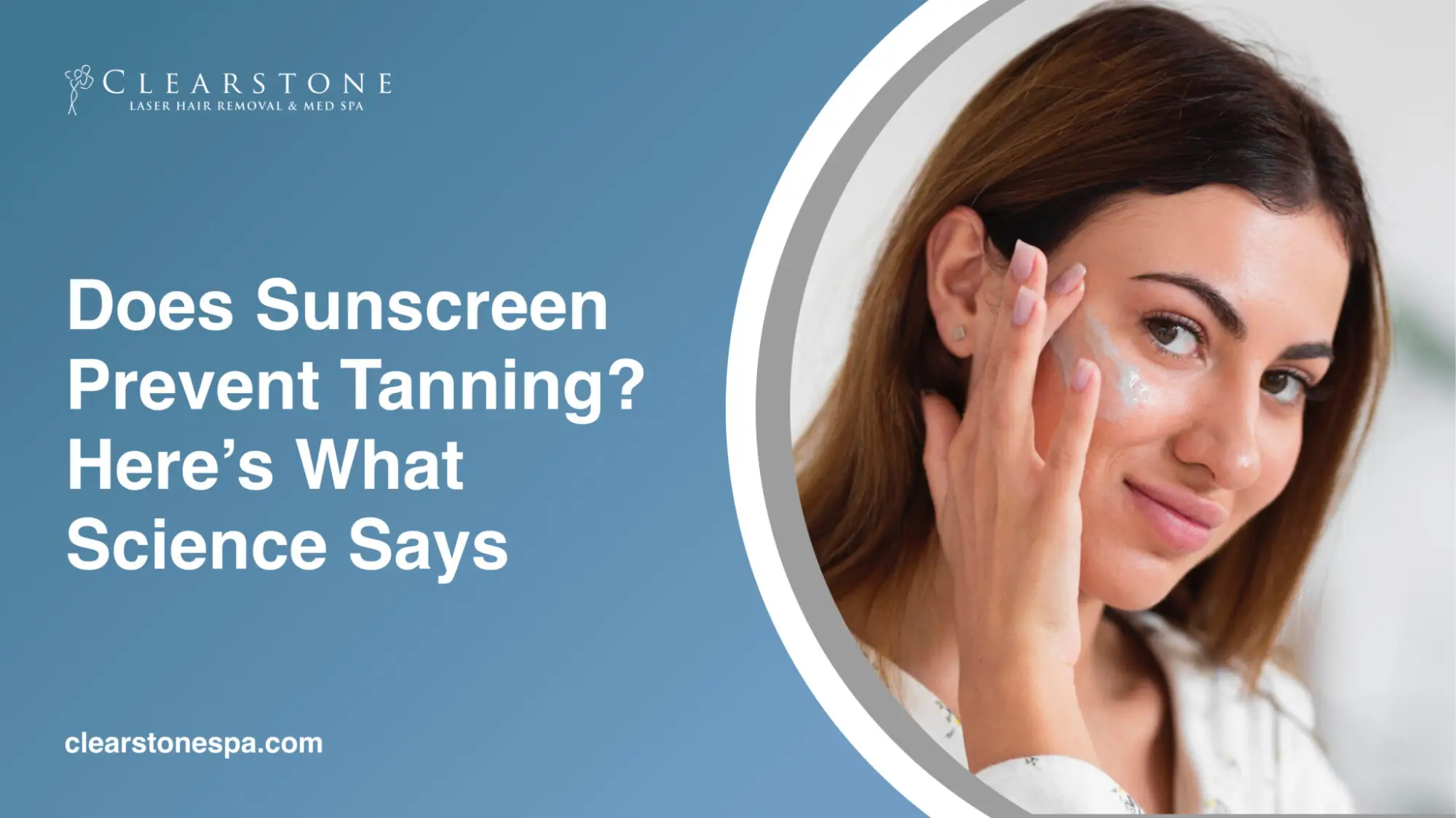
Ever slather on sunscreen, thinking you’re all set, only to find those tell-tale tan lines creeping in anyway? It’s a total head-scratcher, right?
We’ve all been there: diligently applying SPF, yet still ending up with that “sun-kissed glow.” If sunscreen is supposed to be our shield against the sun, what gives? And is that tan a sign of health, or something else?
These aren’t just questions for beach lovers chasing the perfect bronze. They’re crucial for anyone who cares about their skin’s long-term health. So, let’s cut through the noise and get honest about how tanning actually works, what sunscreen does, and if it can keep you from getting a tan.
In this blog, we’re going to dive deep, busting some stubborn myths along the way (like the “safe base tan” idea or whether a lower SPF helps you tan “better”). We’ll break down different SPF levels and even share practical tips if you’re trying to avoid tanning altogether.
By the end, you’ll get why sunscreen is your skin’s best friend and why it doesn’t make you invisible to the sun’s rays, even as it works hard to keep you safe.
How Tanning Works: UV Rays, Melanin, and Skin Types
Tanning is your skin’s built-in defense against UV damage. When exposed to sunlight or tanning beds, your melanocytes ramp up melanin production, creating pigment that absorbs UV radiation and shields your DNA. But this “protective tan” signals that harm has already started.
There are two types of UV rays: UVA (which causes quick, surface-level darkening) and UVB (which leads to sunburn and delayed tanning). UVA tans oxidize existing pigment but offer no real protection, while UVB-induced tans offer minimal defense, roughly equal to SPF 3 or 4. That’s not enough to prevent damage.
Your skin type also matters: darker skin has more melanin and tans more easily, while fair skin is more prone to burning. Still, no skin tone is immune: UVA and UVB can silently damage cells beneath the surface, accelerating aging and increasing the risk of skin cancer.
In truth, any tan is a sign of injury, not health. It’s your skin saying, “I’m under attack.” Now let’s get to the burning question (pun intended): does sunscreen prevent tanning? The short answer: it significantly reduces but doesn’t eliminate it.
So, Does Sunscreen Prevent Tanning?
Sunscreen is formulated to block or absorb UV radiation, which is responsible for sunburn, tanning, and long-term skin damage. However, no sunscreen can block 100% UV rays. Not even SPF 100. Here’s how it works:
This means even with high-SPF sunscreen, some UV still reaches your skin, especially if it’s not applied correctly or frequently. That remaining UV exposure is enough to stimulate melanin production, which causes tanning.
But there’s a critical distinction:
- Tanning through sunscreen means far less damage than tanning without it.
- The tan may be slower and lighter, especially when using SPF 30 or higher, but it can still occur over prolonged exposure.
Why Does Tanning Still Happen?
- UVA rays penetrate deeply into the skin and are responsible for immediate tanning and aging.
- UVB rays cause sunburn and delayed tanning. Most sunscreens focus on blocking UVB, but broad-spectrum sunscreens protect against both.
If your sunscreen isn’t broad-spectrum, UVA rays may still trigger tanning even if you’re protected from sunburn.
Sunscreen isn’t a tanning blocker; it’s a damage minimizer. It filters out the worst of the sun’s rays but still allows small amounts through. So yes, you can still tan while wearing sunscreen, especially if it’s:
- Not applied generously or evenly
- Not reapplied every 2 hours
- Not broad-spectrum
- Worn during peak UV hours without other protection
In short: sunscreen isn’t a tanning blocker it’s a damage minimizer. It filters out the most harmful rays, but some UV still gets through. So, if you’re not applying it generously or reapplying it often, or you’re not using broad-spectrum formulas, you’ll likely still tan.
And if you’re wondering again does sunscreen prevent tanning completely? The answer remains no, but it does make a massive difference in the amount and type of damage your skin receives. Now, let’s look at how you can avoid getting tanned every time you step out in the sun.
How to Minimize Tanning (and UV Damage)
To keep your complexion fair and minimize tanning, a multi-faceted approach is essential:
- Use Sunscreen Diligently: Apply broad-spectrum SPF 30+ generously 15-30 minutes before going out, using about an ounce for full body coverage. Reapply every two hours, or more often if swimming/sweating. Cover all exposed areas, including commonly missed spots like ears, neck, and scalp.
- Wear Protective Clothing: Wear lightweight long-sleeve shirts, long pants, and wide-brimmed hats. Consider UPF-rated clothing for enhanced UV blockage. Don’t forget UV-protective sunglasses. Clothing is your primary defense.
- Seek Shade During Peak Hours: Plan outdoor activities for early morning or late afternoon (before 10 AM, after 4 PM). During peak sun (10 AM – 4 PM), utilize natural or artificial shade (umbrellas, trees). If your shadow is shorter than you, seek shade.
- Beware of Reflective Surfaces: UV rays can bounce off water, sand, snow, and concrete, causing indirect exposure. Use extra caution, clothing, and sunscreen in such environments.
- Avoid Tanning Beds Entirely: Tanning beds emit harmful UVA rays, significantly increasing skin cancer risk and causing deep skin damage. They offer no safe way to tan, and sunscreen is ineffective.
By combining all these strategies, you not only minimize tanning but also protect your skin’s health and radiance. Does sunscreen prevent tanning? Not entirely. But with the right approach, you can drastically limit it.
In the following section, we’ve discussed various skin conditions that can arise from prolonged sun exposure.
Tanning and Skin Health Risks
Any tan indicates UV-induced skin injury. This damage leads to:
- Photoaging: Premature aging signs like wrinkles, fine lines, sagging, and sun spots. UVA rays break down collagen and elastin, causing long-term cosmetic damage.
- Skin Cancer: UVA and UVB damage DNA, increasing the risk of melanoma and other skin cancers. Even a mild tan signals cellular trauma that can lead to cancerous growth. One blistering sunburn can double melanoma risk.
- Other Risks: Actinic keratoses (pre-cancers), immune system suppression, eye damage (cataracts), and worsening of pigmentation disorders like melasma.
The cumulative damage from UV is permanent. Sunscreen reduces this risk, but a tan still means some damage has occurred. The safest approach is to minimize all tanning. However, if you still want to get tanned, here are some ways.
Alternatives to Sun Tanning
Achieve a bronzed look safely without UV exposure:
- Self-Tanning Lotions & Mousses: (DHA-based) Applied at home, last 5-7 days.
- Pros: UV-free, inexpensive. Cons: Tricky application (streaks, orange tones possible), requires exfoliation, no sun protection.
- Professional Spray Tans: DHA-based, applied by a technician.
- Pros: Quick, even, customizable, UV-free. Cons: More costly, temporary, and without sun protection.
- Bronzers and Makeup: Wash-off products for instant, temporary color.
- Pros: Immediate, zero UV risk, easily removed. Cons: Can rub off, temporary.
- Tinted Sunscreens or Lotions: Offer a subtle glow with SPF.
- Pros: 2-in-1 benefit, natural look. Cons: Less dramatic, limited shade options.
All these alternatives are safe, allowing you to “fake the bake” without UV damage. Crucially, none provide sun protection; always apply sunscreen over them. Embracing your natural skin tone is also a healthy and increasingly popular option.
Sunscreen is vital for skin protection, but it is not a complete barrier. It prevents sunburn and significantly slows tanning, but a light tan can still occur, as no sunscreen blocks 100% of UV. Even through sunscreen, a tan signifies UV exposure and skin injury, leading to premature aging and increased cancer risk.
Therefore, combine sunscreen with other sun-safe habits: seek shade, wear protective clothing, avoid peak UV hours, and consider sunless tanners for a glow. Sunscreen is your best defense for enjoying the outdoors safely by filtering harmful rays, but it’s not a license for unlimited sun exposure. The only truly safe tan comes from a bottle, not the sun. Prioritize consistent sun protection for healthier, younger-looking skin long-term.
Moreover, if you want to care for your skin’s health for optimum glow and health, then try skin rejuvenation treatments at Clearstone Laser Hair Removal & Med Spa!
From Sun Damage to Skin Confidence: Glow Brighter with Clearstone’s Expert Care
Even when you’re doing all the right things, wearing broad-spectrum sunscreen, staying in the shade, and skipping the tanning beds, your skin can still show signs of sun exposure over time. Pigmentation, uneven tone, lingering acne scars, and texture issues are all common side effects of prolonged UV damage.
While using the best natural face scrubs at home helps maintain healthy skin, some concerns need a deeper touch. That’s where Clearstone Laser Hair Removal & Med Spa steps in. Their expert skin rejuvenation treatments complement your at-home routine and address deeper issues caused by tanning and sun exposure:
- IPL Photofacial – Helps reduce pigmentation, sun spots, and redness.
- VI Peel – A chemical peel that refreshes skin tone and texture for a smoother finish.
- Microdermabrasion & Dermaplaning – Exfoliate beyond the surface for softer, glowing skin.
- Microneedling – Stimulates collagen and improves serum absorption to restore skin vitality.
- Laser Treatments – Precisely target pigmentation, scarring, and vascular concerns.
By combining consistent sun protection with advanced treatments at Clearstone Laser Hair Removal & Med Spa, you’re not just preventing damage but actively restoring your skin’s natural health and glow.
Book your FREE consultation today and experience the expert care.